

Identifying the purchase price of each ball is impractical; therefore, the retailer calculates a weighted average cost and applies this average cost across the entire stock. With the retail method, you total up the total costs of inventory and the total value of goods for sale, and then divide costs into retail value. While retail accounting isn’t a separate discipline of accounting, the difference is that there’s a greater focus on inventory, which we’ll explain in this guide.
- To keep track of your revenue and profit, you must monitor the cost of the goods you sell and the dollar amount of the inventory you have left.
- If your records show that at retail price you started the month with $60,000 worth of goods and ended up selling $20,000 worth, you now have $40,000 worth of goods at retail price left.
- This is especially useful for those retailers who have very high turnovers and maintain huge inventory.
- It streamlines the mind-bending processes that enable small businesses to track inventory and profit margins.
- Keep track of your stock, purchases and sales with our handy inventory spreadsheet.
- Additionally, it allows you to oversee your financial management while dedicating more attention to your retail operations.
Order Management 101: How to Improve Cash Flow and Process
We’ve explored the fundamental principles, delved into retail-specific terms, and unveiled the stories hidden within financial statements. We’ve tackled the challenges of inventory management Outsource Invoicing and cost control, while uncovering the power of technology in empowering your financial management. LIFO can be advantageous during periods of inflation as it allows you to value your ending inventory at a lower cost, potentially reducing your tax burden. However, it may not accurately reflect the actual flow of goods in some retail businesses. Remember, your financial management practices must adapt as your business expands. You may deal with a larger inventory, increased sales transactions, and the financial intricacies of operating multiple store locations.

Retail Accounting Basics: Understanding the Retail Inventory Method
As with any other accounting method, the first step in the retail method of accounting is to record all transactions. Essentially, retail business owners need to determine the actual cost of purchased inventory. Using weighted averages to find the inventory value is helpful to stores that sell a variety of items at different prices. Staying updated on market trends and supplier pricing helps businesses make relevant adjustments to retail pricing while maintaining accurate inventory valuations. With the perpetual method, every time an item is sold or received, your inventory records update automatically.
Inventory Turnover
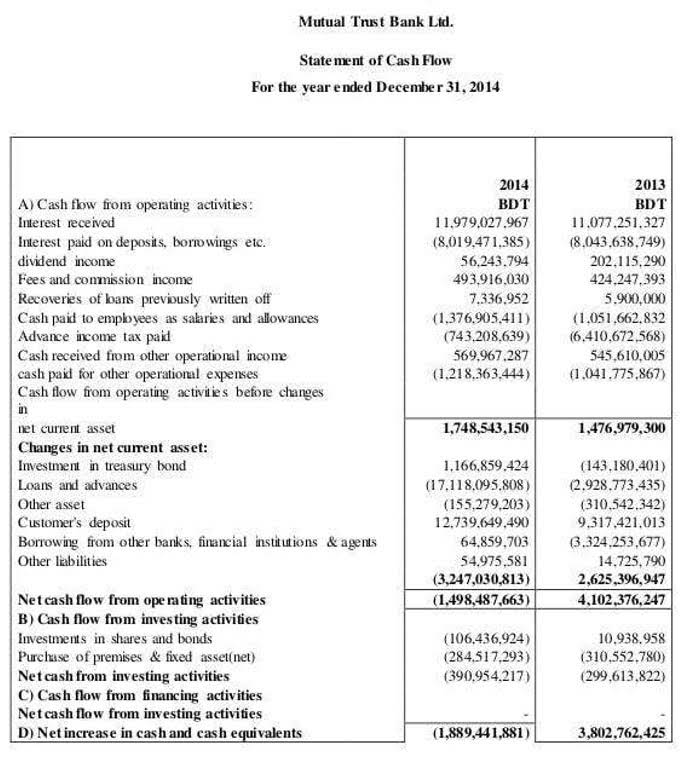
It can reduce the number of employees needed for manual accounting, eliminate paperwork, automate most tasks, and have several other advantages. By utilizing the right technology and tools, you can significantly enhance the efficiency and accuracy of your financial management. This statement details the inflow and outflow of cash within your business during a specific period. It categorizes cash flow from operating activities (sales and expenses), investing activities (purchase/sale of assets), and financing activities (borrowing and lending). Understanding your cash flow is crucial for managing your cash reserves, planning for future investments, and ensuring you have sufficient funds to meet your ongoing financial obligations.
- Retail accounting has some upsides that make it a helpful way of valuing your inventory.
- In the banking industry, consumers also rely on the Federal Deposit Insurance Corp. (FDIC) to insure their bank deposits.
- Although the number of units in ending inventory aren’t affected at the end of an accounting period, the dollar value of ending inventory is affected by whichever inventory valuation method is chosen.
- The FIFO method works under the assumption that goods are sold in the order in which they are acquired.
- The effectiveness of this method can vary depending on the diversity and pricing of the items you sell.
It does not account for damaged or stolen items or ones taken out of inventory for retail accounting basics another reason, like a natural disaster; the calculations are not precise and reliable. Here are a few common questions retailers have about the retail inventory method. If a skincare retailer sells face cream for $25 and purchases each bottle for $5, the cost-to-retail ratio would be 20%. More on this in a bit, but first it’s important to understand the importance of accounting for the cost of inventory in your retail business. The money that institutional investors use is not actually money that the institutions own themselves. If you have a pension plan at work, a mutual fund, or any kind of insurance, you are actually benefiting from the expertise of institutional investors.
- But here’s the thing – once you wrap your head around some basics, you’ll be surprised how much clearer the whole business picture becomes.
- Gravel and sand retailers who sell materials by the ton often use the LIFO inventory costing method.
- Many, or all, of the products featured on this page are from our advertising partners who compensate us when you take certain actions on our website or click to take an action on their website.
- Remember, your financial management practices must adapt as your business expands.
- Reply to this text with a picture of the receipt for instant reconciliation.
- The concepts we’ve explored so far provide a solid foundation in retail accounting.
Track time by creating automated tasks, organize expenses and follow up with your customers. Although retailers have talked less about shrink, or lost inventory, in recent quarters, the industry has been preoccupied with it for the last few years. The retail method might be a good fit for those prioritizing ease and https://aureaphygital.com/the-complete-business-valuation-formula-guide-10/ straightforwardness in their accounting practices.

